
Advanced Leadership Training Program (ALTP)
ALTP
ALTP is rooted in the values of Collaboration, Self-reflection, Justice & Belonging, and the belief that Leadership is Behavior. These values underpin every aspect of the program, and are the roots from which all other program elements stem. We support leaders to develop and deepen their knowledge, skills, and practice to courageously lead in increasingly complex and dynamic contexts.
RIHEL’s signature program is designed for mid-career public health, health, and environment professionals, and many participants represent the Rocky Mountain region.
Knowledge & Skills
ALTP builds the capacity of individual participants and creates an interdisciplinary network of leaders dedicated to the public and environmental health of our region. Annually, ALTP includes 25-45 health and environment professionals from throughout the Rocky Mountain region and beyond. With over 1,100 graduates, ALTP alumni are now leading health and environmental organizations throughout the US.
Why I Applied to ALTP
Maddie Philley, graduate of the Advanced Leadership Training Program (ALTP), talks about why she signed up and what she got out of the program.
What You Can Get Out of ALTP
Djuana Harvell, graduate of the Advanced Leadership Training Program (ALTP), talks about what she would tell someone who is thinking about signing up for the program.
Key Program Elements
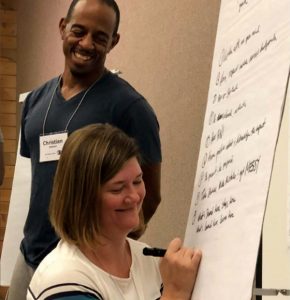
- Four two-day, in-person sessions held at various locations in Denver, Colorado
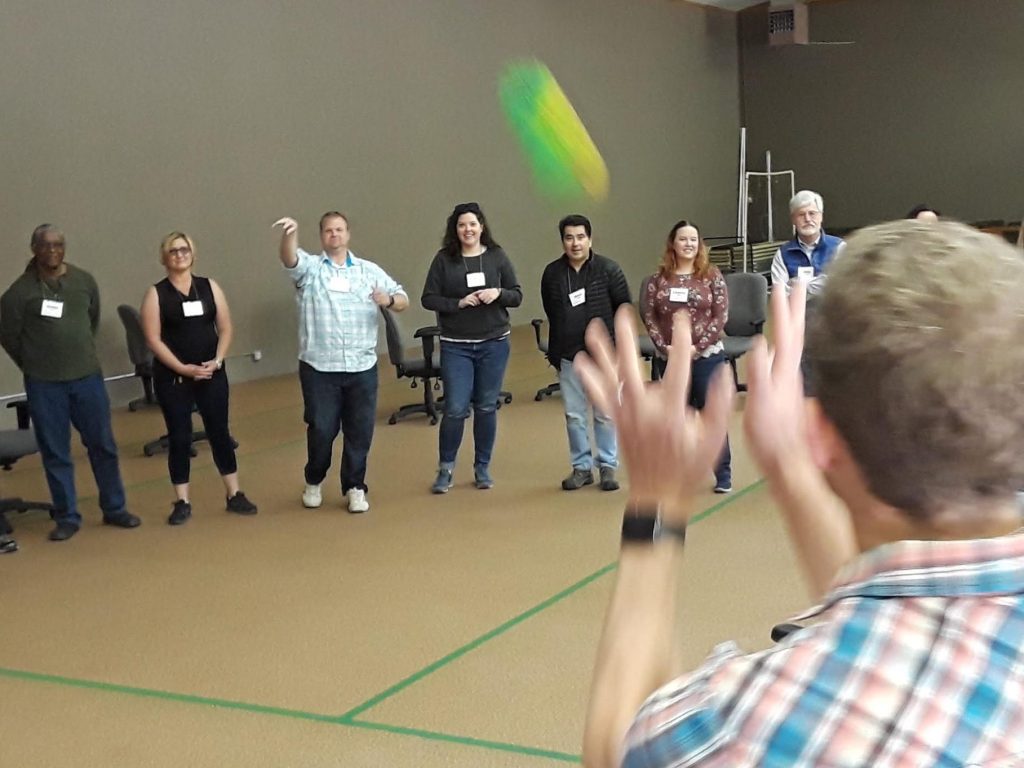
- Sessions combine evidence-informed leadership frameworks, experiential learning, applied tools, and structured reflection to support real transfer into day-to-day leadership.
- Multiple assessments are provided across program sessions including assessments of personal strengths, leadership practices, and emotional intelligence
- Those participating in the full program (all four sessions) receive a peer coach to work with during the program and complete an applied leadership project as a living laboratory in which to practice the leadership skills presented throughout the full program
How the Sessions Work Together
ALTP is structured as four standalone two-day sessions that collectively build leadership capacity across personal leadership, coaching, people leadership, and adaptive leadership. Participants may sign up for individual sessions or for the full program through the cohort track.
Session 1: Personal Leadership builds the internal foundation for leadership through self-awareness, mindset, grounding, and resilience.
Session 2: Coaching for Leaders builds core coaching mindset and skills that strengthen trust, development, and listening in leadership relationships. (Session 2 is completed by attending RIHEL’s Coaching Academy Course 1.)
Session 3: People Leadership, Leading Teams focuses on team effectiveness, relational capacity, and team resilience.
Session 4: Adaptive Leadership strengthens leaders’ ability to strategically lead through change, uncertainty, and complexity.
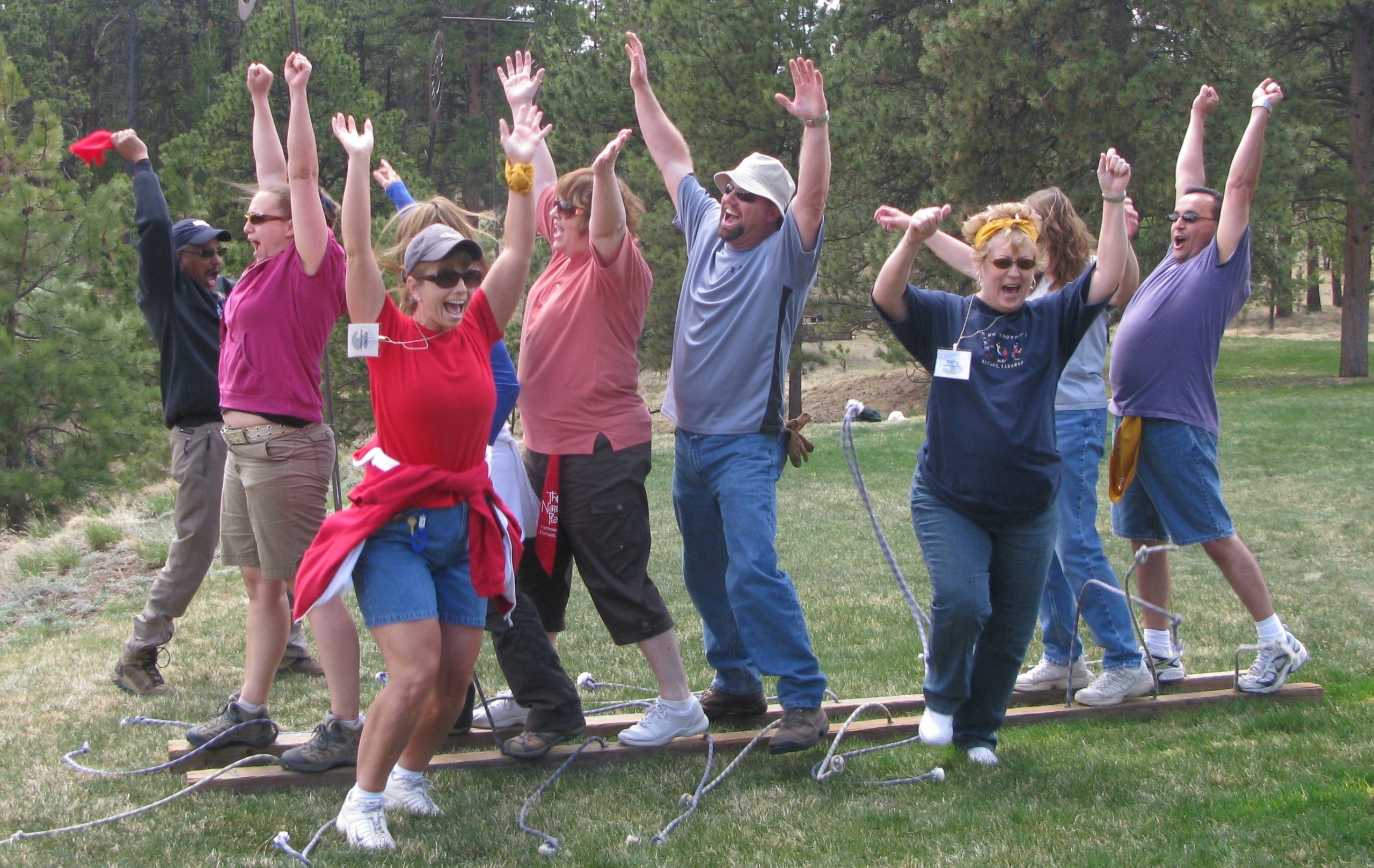
The Advanced Leadership Training Program (ALTP) is structured as four standalone two-day sessions held at various locations in Denver, Colorado. Participants may engage with ALTP as a full cohort participant (all four programs) or enroll in one or more specific two-day sessions without committing to all four sessions.
ALTP 2026 Session Dates:
- March 12-13, 2026
- April 9-10, 2026
- August 27-28, 2026
- November 12-13, 2026
ALTP 2027 Session Dates (tentative):
- February 25-26, 2027
- May 6-7, 2027
- September 16-17, 2026
- November 4-5, 2027
Registration Opening Soon for August and November 2026 Sessions, and all 2027 Sessions.
Tuition for ALTP 2026:
- Full Cohort Track – $6,000
Includes all program sessions, assessments and materials, lunch and snacks, pre-post program orientation and graduation, peer coaching, support partners, office hours, and applied project.
- Individual Sessions – $1,500 each
Includes participation in single two-day session, course materials and assessments (if relevant), lunch and snacks
The tuition is payable upon registration. Arrangements can be made for an individual payment schedule, if necessary. All tuition payments are non-refundable.
*Tuition rate is subject to change in future years.
A limited number of specialized scholarships may be available from year to year. These scholarships are competitive and recipients are typically selected by the awarding organization. Previous scholarships included:
Health Promotion and Chronic Disease Prevention Branch (HPCDP) in the Prevention Services Division (PSD)in the Colorado Department of Public Health and Environment (CDPHE)
We are committed to supporting and developing public health leaders. By providing a limited number of scholarships towards the Advanced Leadership Training Program tuition (ALTP) we are removing or reducing a financial barrier.
Must be employed by a Colorado-based organization: state or local public health agency, non-for profit community-based or healthcare organization that is dedicated to public health. Must successfully complete the ALTP application process.
Priority considerations will be given to applicants who work in organizations serving underrepresented communities, rural or frontier organizations.
Colorado Environmental Health Association (CEHA)
Historically, CEHA has offered scholarship support for the ALTP. Only CEHA members are eligible to apply for this scholarship.
If you have questions, please use the form at the bottom of this page to contact RIHEL staff directly.
Curriculum
The complete ALTP includes the five elements found in the most effective leadership development programs.
A conceptual model is a theory that forms the framework for learning, in this case for learning about leadership. The ALTP uses two conceptual models of leadership:
- Leadership is Behavior. Leadership is behavior, not a personality trait or a position on an organizational chart. RIHEL uses Kouzes and Posner’s behavioral model of leadership, which comprises the Five Practices of Exemplary Leadership: Model the way, Inspire a shared vision, Challenge the process, Enable others to act, and Encourage the heart.
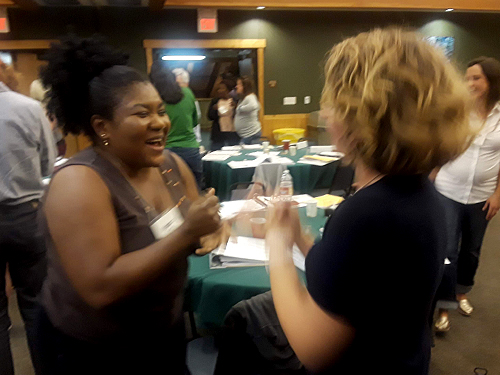
- Collaborative Leadership. Collaboration is the most effective known approach to solving complex problems. Leaders understand the importance of collaboration, communication, and networking with interdisciplinary professionals to address today’s complex health and environment challenges.
ALTP participants have various opportunities to apply the skills they are learning in the program. This includes the option to plan and implement a project as a learning laboratory for the leadership skills they wish to try out, practice or refine. The projects require passion and creativity, bring value to the community or workplace, highlight collaboration, and encourage the participants to think through sustainability after the project is completed. See examples of past projects.
Leaders are often asked for advice: Good leaders know when to give information or advice and when to be a “strategic thinking partner” to uncover the wisdom inside their colleagues and teams. This is known as coaching. The ALTP develops coaching skills to allow participants to tap into their own wisdom and solutions and to practice coaching others. Participants are also paired with a RIHEL peer coach (a RIHEL leadership program alumnus) for regular coaching conversations during the ALTP.
ALTP participants take the Leadership Practices Inventory (LPI) to provide quantitative information about the frequency with which they exhibit specific leadership behaviors. While all assessments have limitations, the LPI has been extensively studied and validated, and corresponds to Kouzes and Posner’s Five Practices of Exemplary Leadership conceptual model used in the ALTP. Participants debrief their LPI results, and plan actions to help increase the practices they want to magnify. Throughout the program, participants complete additional assessments to help provide a well-rounded assessment of their strengths, traits and behaviors that influence their leadership presence.
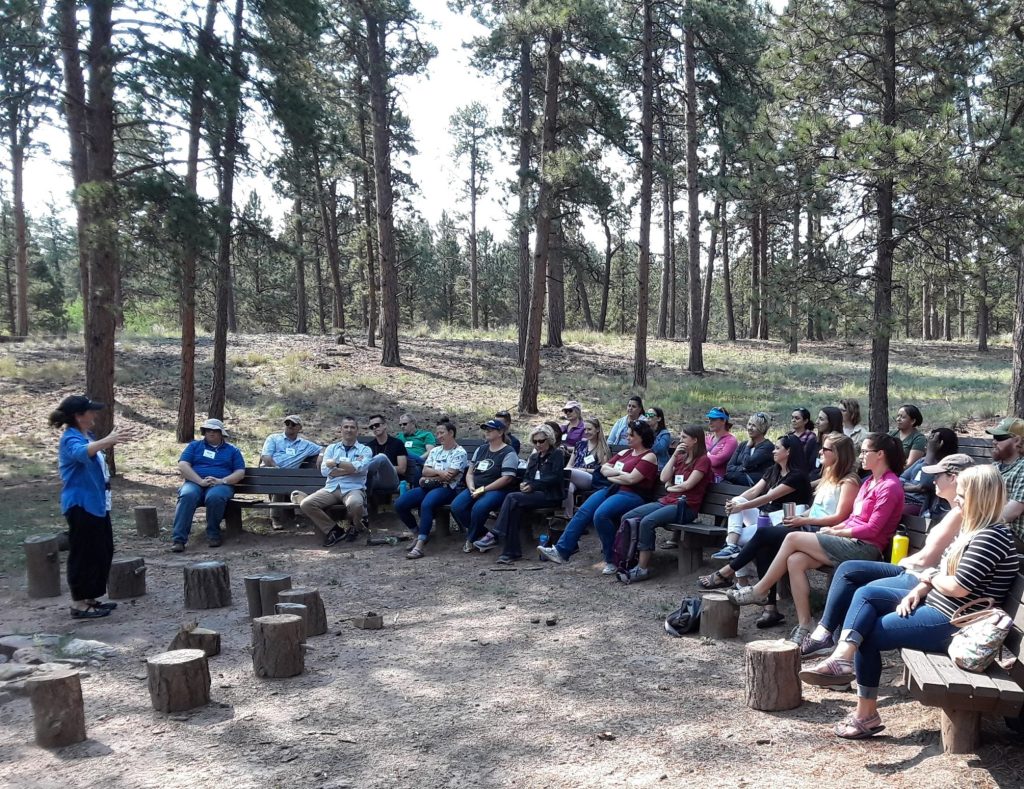
Reflection is the hallmark of an intentional leader. Therefore, ample opportunites are infused throughout the program to support participants’ development of self-awareness and self-reflection. ALTP faculty model reflection in the delivery of the program, as well as facilitate individual and group reflection during and between training events.

Proven Results
The doctoral dissertation of Linda Olson (Olson, Linda. Leadership Development for Public Health and Environment, unpublished dissertation, University of Denver, 2005) examines the leadership changes in 67 graduates for four years (1999-2002) of the Advanced Leadership Development Program. Olson’s dissertation concluded: “RIHEL as a training intervention can be credited significantly with the changes in leadership practices of alumni … . It gave them self-awareness, a leadership framework, and skills to improve in multiple leadership opportunities. … Leadership training had a positive impact overall in the RIHEL alumni leaders’ development.” (pages 200-201)
Please see the publication of these research findings in the Journal of Public Health Management and Practice.
Please see the summary of Dr. Olson’s research or her complete dissertation for more details.
Program Participants
The ALTP is designed for middle and upper level professionals from the public, private, for-profit and non-profit sectors, who work in the areas of health and environment, or whose work impacts health or the environment.
ALTP seeks participants from local and state health departments, environmental agencies, community-based organizations, boards of health, health care organizations, hospitals, and for-profit companies with impacts or interests in health or environment who are committed to leading their organizations toward better equitable health and environmental outcomes, including the energy, construction and finance industries and more.
Participants from previous programs represent a wide variety of companies, agencies, organizations and institutions. See the list of employers here.
The ALTP Experience
Participants in the RIHEL Advanced Leadership Training Program share about their experience in the program and the value that it provides.
ALTP Faculty & Staff

Chrissy Chard, PhD
Director, Advanced Leadership Training Program, RIHEL
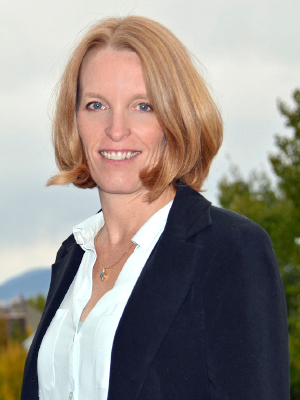
Leanne Jeffers, MPH, PCC
ALTP Core Faculty
Director of Coaching Services, RIHEL
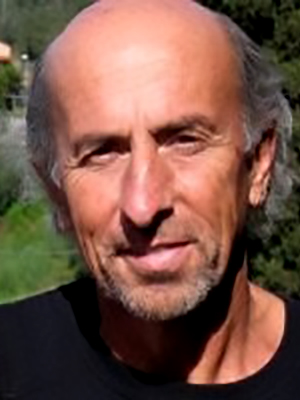
Franco Marini, MA, CNL

Nicole Tuitt, DrPH, MPH
ALTP Core Faculty
Assistant Professor, Centers for American Indian and Alaska Native Health, Department of Community and Behavioral Health, Colorado School of Public Health

Jordan White, MA, CNL
Questions Regarding ALTP or the application process?
Please contact RIHEL Staff through the form below.